The 10 Best EVs Coming in 2023
Electric vehicles went mainstream in 2022, so 2023’s designs will be bold, weird, and wonderful. Here are a few flashes of inspiration.
12 months ago that 2022 was going to be a pivotal year for electric cars. Judging by the 18 models we told you to watch out for, as well as the increasingly long wait lists for new electric vehicles, we were right.
Despite those wait times, the trend of growing EV and declining internal combustion engine vehicle sales continued, with the US seeing a 49 percent uptick in electric cars sold in the first half of 2022. China experienced a whopping 113 percent surge. Indeed, full EVs accounted for 13 percent of all new car sales globally last year. The International Energy Agency predicts that by the end of the decade electric cars will represent more than 60 percent of all vehicles sold.
Combine this surge in consumer interest with new battery technologies that have helped the number of EVs boasting 300-plus miles of range to triple in the US in 2022, and one can only see the electric car popularity chart pointing in one direction.
We’ll continue to test out the best new rides coming to market, of course, from the $5K China minis to the German super saloons, and maybe we’ll even get our editor in chief to review some more electric motorbikes. Until those arrive, here is our exclusive selection of what WIRED thinks are the best electric cars coming in 2023.
DeLorean Alpha5
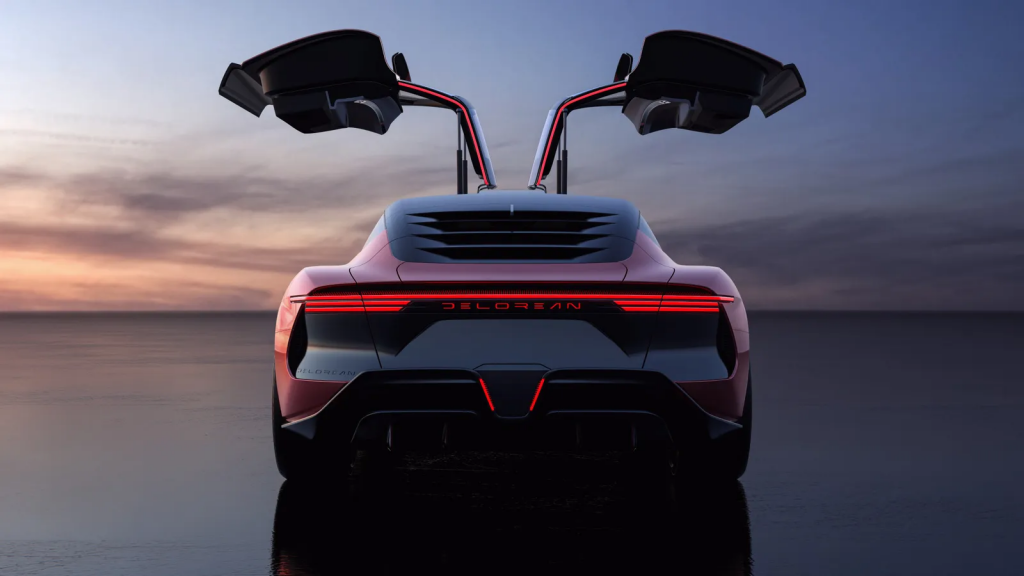
Fans of Back to the Future should be sitting down as we tell you that this is DeLorean’s first car in more than 40 years. Fittingly, rather than running on gasoline it is now fully electric and will go from zero to 60 mph in just under three seconds, and then on to a projected top speed of 155 mph. Thankfully, the Alpha5 takes cues from its film-star predecessor, with a louvered rear window and gull-wing doors. However, the DMC-12’s blocky, wedge shape has been ditched in favor of a smoother styling that reduces drag enough to help it achieve the 300-mile range DeLorean claims. The high-end stereo nerds at Cambridge Audio have been brought in to make sure Power of Love sounds superb. Lucky customer deliveries are set for 2023. What? Really? OK then: zero to 88 mph will take an estimated 4.35 seconds. Great Scott!
Kia EV9
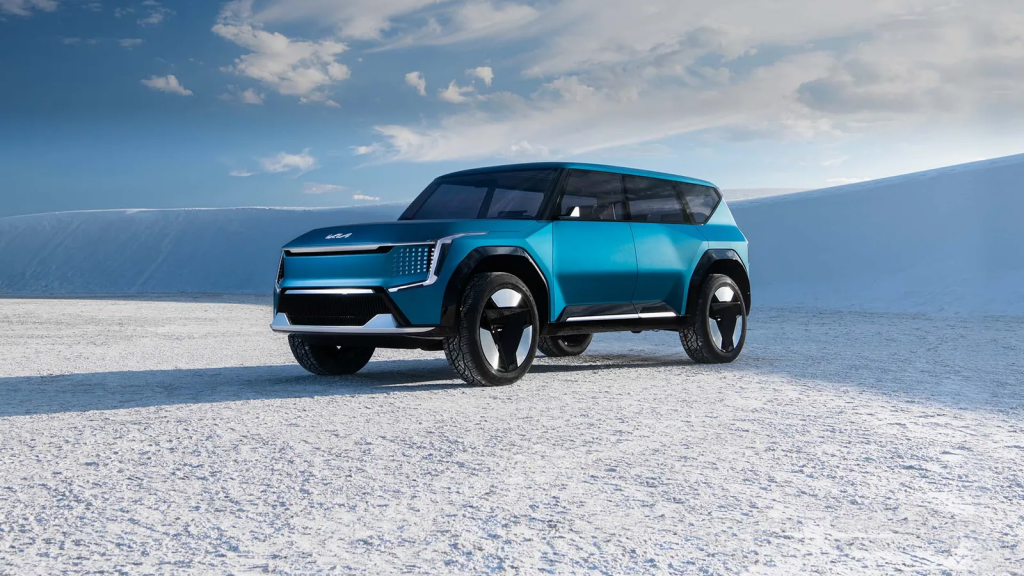
Revealed at the 2021 Los Angeles Auto Show and expected to hit UK showrooms in 2023, Kia’s EV9 SUV looks to continue the transformation of the brand from ICE also-ran to a leading EV player. The concept has a solar panel built into the car bonnet and an interior made from sustainable materials. Then there’s the “pop-up” steering wheel, a 27-inch ultrawide display, panoramic sunroof, and three rows of seats. The rugged design and potential power means the EV9 will be looking to take on Range Rover with this all-terrain vehicle. It will run on the Kia group’s superb Electric Global Modular Platform (E-GMP), the same used in the EV6, which means top-drawer 800-volt electrical architecture and lightning-quick charging at rates of up to 350 kW. Lastly, the EV9 will be the first Kia to offer Automode, the company’s autonomous driving tech.
BMW iX1
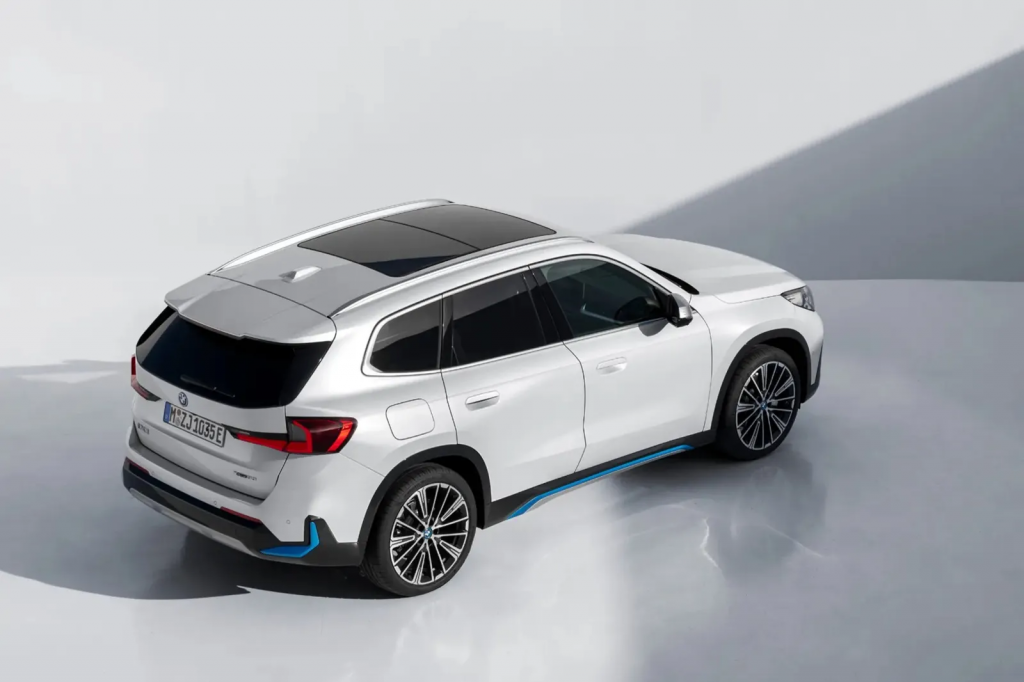
Yes, the luxurious i7 will be the EV poster child for BMW in 2023, but it’s the iX1 that will be more important in the coming year for the brand. Why? It replaces the iconic and sorely missed i3 as BMW’s entry-level EV. Customer deliveries will commence in early 2023, with pricing from £52,255 in the UK and $82,900 in the US, and the xDrive30 dual-motor version should offer an output of 313 hp and a WLTP driving range of up to 272 miles from the 64.7-kWh battery. DC recharging at up to 130 kW makes it possible to boost the battery level from 10 to 80 percent in 29 minutes, or increase range by 75 miles in just 10 minutes. The clincher? A cleverly tweaked design succeeds in turning this new X1 from toy car to rugged runabout.
Audi A6 E-Tron
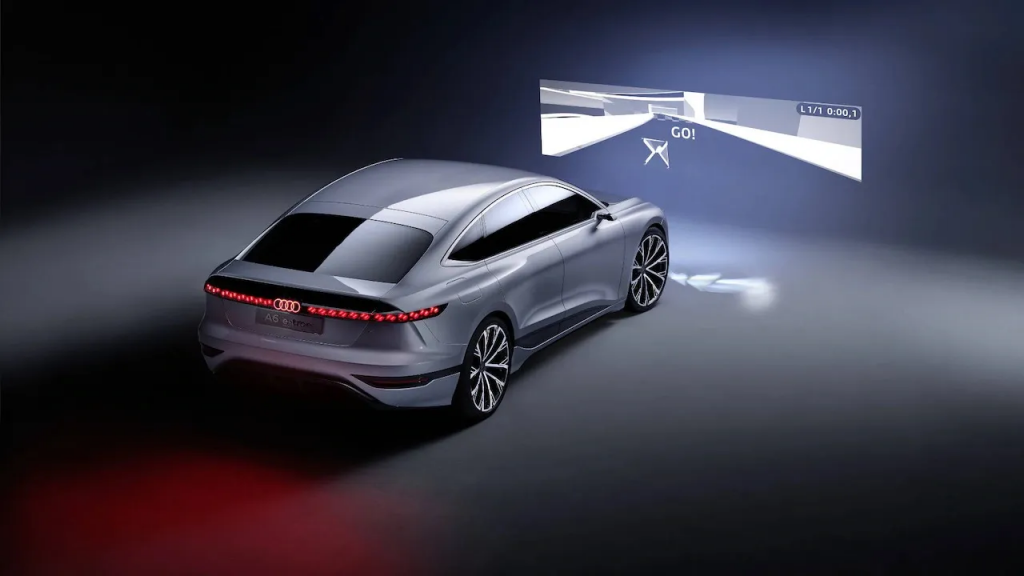
We’ve been waiting a long time for the fully electric A6 models to arrive; Audi first showed the idea back in 2021 at the Shanghai motor show. Positioned firmly as a rival to the coming BMW i5 and Tesla’s Model 3 and Model S, the Audi A6 E-Tron will be based on the group’s latest PPE (Premium Platform Electric) EV architecture, which will also be used on the next Porsche Macan EV and Audi Q6 E-Tron. Perhaps the greatest benefit of this new platform is that it will mean owners will enjoy quick 800-volt charging and longer range thanks to 100-kWh battery capacity. This also could mean ranges approaching 400 miles. Audi will likely further its obsession with door cameras if you’re mad enough to spec that option, but the projection headlights remain a winning idea. Also, 600-bhp RS6 E-Tron and Avant estate flavors will be coming later.
Tesla Cybertruck
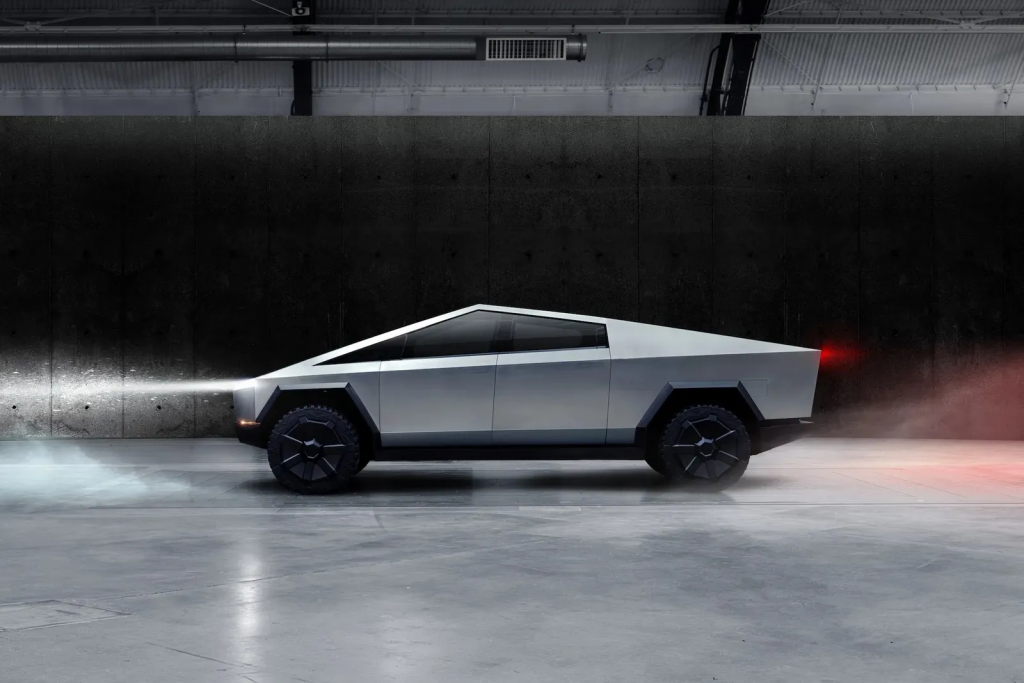
Whether you are an avid fan or think the Cybertruck just looks weird, Elon Musk is promising that the Tesla sci-fi pickup is finally coming to customers in late 2023. We’ve been here before, of course; other Tesla models have been beset by monumental delays. But this time Tesla says it’s going to happen … it will arrive … pinky promise … even if the Cybertruck’s production is years later than originally planned. The Austin, Texas, Gigafactory has supposedly been readied for “early production,” and the plan apparently is to gradually ramp up output to full by the end of 2023. The hundreds of thousands of buyers who reserved the pickup for $100 will be crossing their fingers in hope that Musk can deliver the stated performance: a towing capacity of 14,000 pounds, a sub-three-seconds zero-to-60 time, and a range of 500 miles. They’ll also be keeping a keen eye on the price. Musk said the pickup would start below $40,000, but tellingly those prices have now been removed from the website.
Lucid Air Sapphire
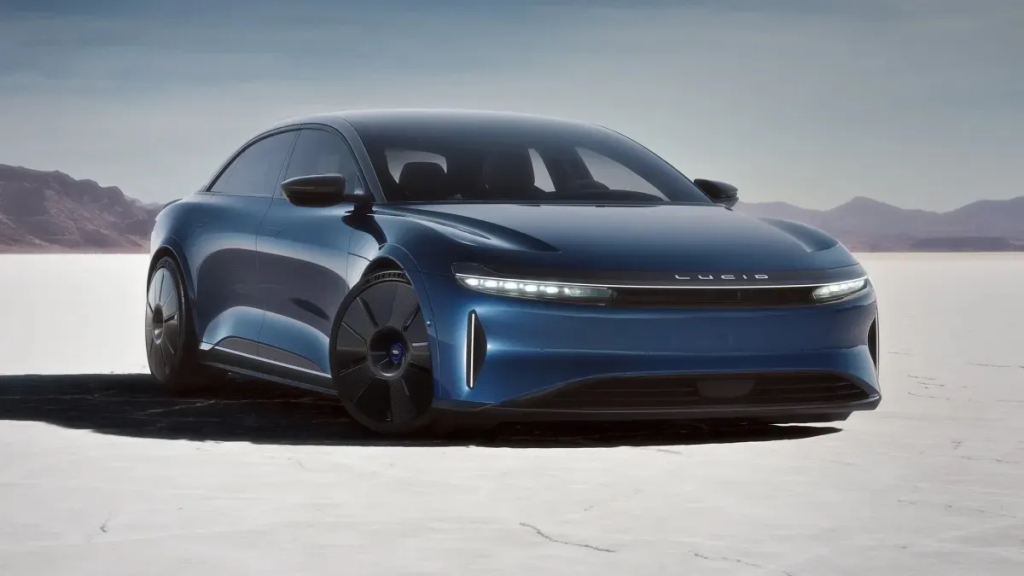
I’ve seen the Lucid Air Sapphire up close—I’ve even sat in it—and I’m happy to tell you that it’s got much more character than the aerodynamically friendly jelly-mold design would suggest. This is a large four-door EV that is all about high performance. Three of Lucid’s mightily impressive, comparatively slender motors (instead of the standard Air’s two) will result in this Sapphire version outputting more than 1,200 bhp. Maybe quite a bit more. Despite weighing 2.5 tons, the EV will launch from standstill to 60 mph in less than two seconds, then on to 100 mph in less than four. It will supposedly hit the quarter-mile mark in less than nine. This is approaching Rimac Nevera territory, and that hypercar costs $2.1 million. The Sapphire will go for $249,000 and have carbon-ceramic brakes, stiffer suspension, and bespoke Michelin Pilot Sport 4S tires. All this and seats in the back too.
Ford ‘Medium-Size Crossover’
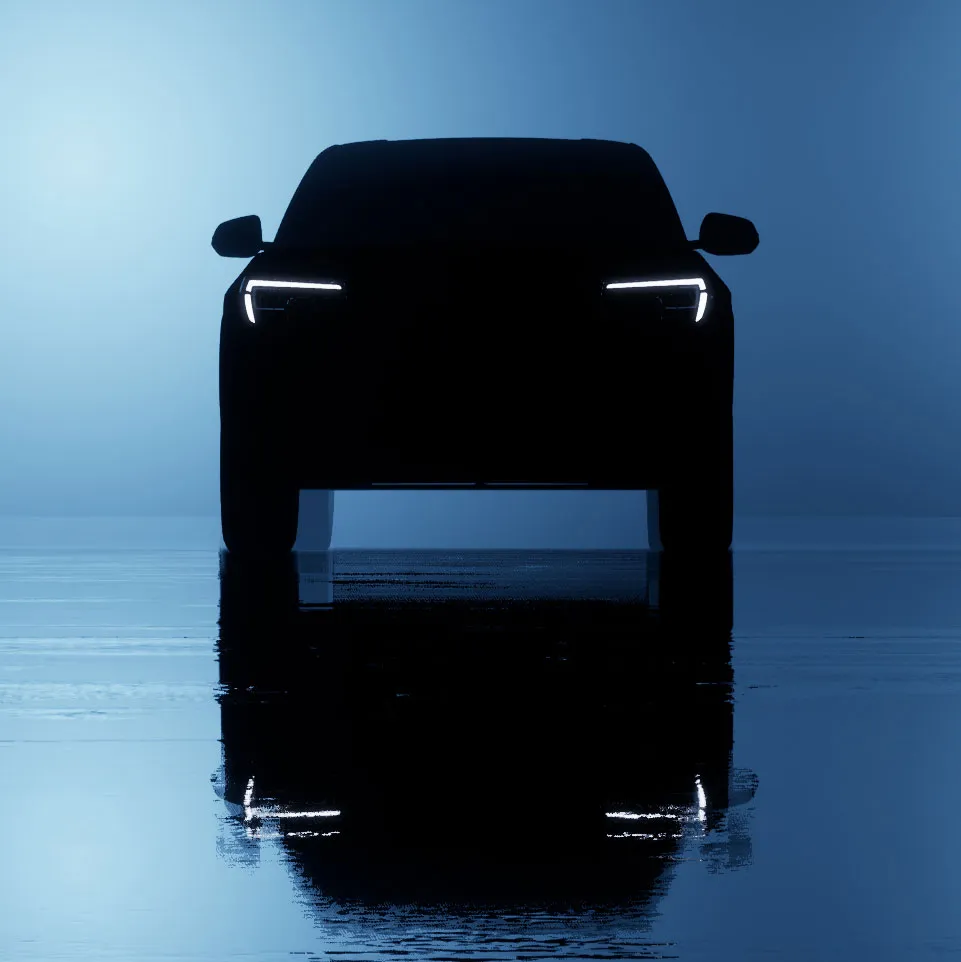
Hardly any information on this new EV from Ford is publicly available at the time of writing. So why do we include it here? Well, we’ve seen it in the flesh and think it’s going to be extremely popular in Europe, where it is being made. It is also safe to say that it will borrow some design DNA from the popular Ford Explorer; some might even go as far as describe it as a Mini-Me version of that SUV. The “Medium-Size Crossover,” part of the raft of vehicles Ford announced back in March, is going to be the kind of car that those waiting for Range Rover to pull its finger out and just get the hell on with making a full EV Evoque may well jump ship for. After all, the EV Evoque and Discovery Sport aren’t arriving until 2024. This Ford EV will come out of the brand’s assembly plant in Cologne, Germany, which will switch from producing the Ford Fiesta to just making fully electric vehicles.
Hyundai Ioniq 6
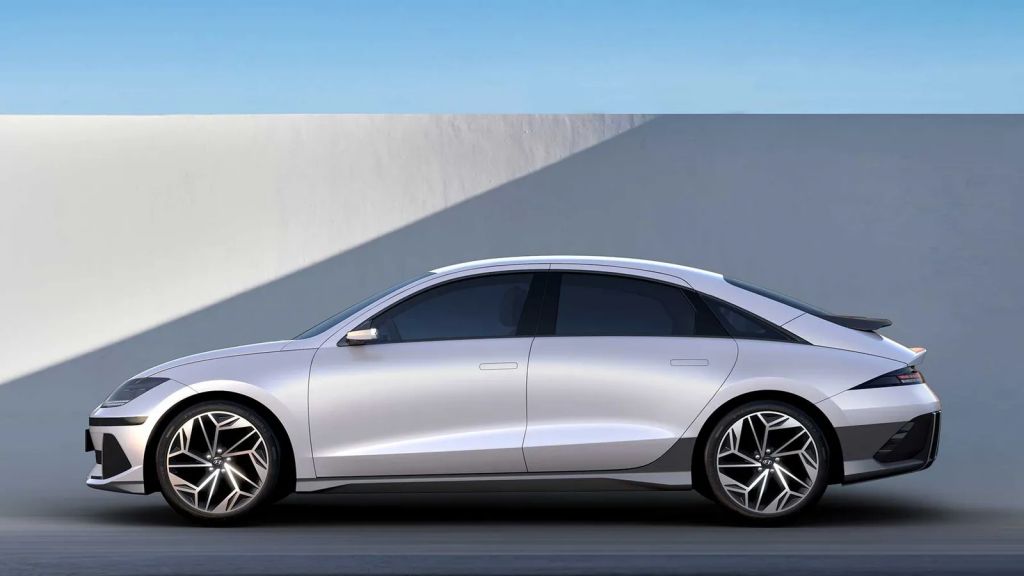
It’s no secret that WIRED is a fan of what Hyundai and sister brand Kia have been up to in recent years. The latest offering coming in “early 2023” is this, the sleek and sporty Ioniq 6. EVs like being aerodynamic because it affords them more range. The Ioniq 6’s efficient profile—pleasingly with more than a whiff of Porsche 911 about it, albeit with four doors—results in a low drag coefficient of 0.21, making it one of the world’s most aerodynamic cars. This has allowed Hyundai to squeeze up to 338 miles out of the long-range battery pack in the single motor, rear-wheel drive variant. The all-wheel drive version with two electric motors integrated with the front and rear axles offers up 239 kW of power for an estimated zero to 62 time of 5.1 seconds. Naturally, it gets the group’s formidable 800-volt battery system for ultrafast charging, but if you’re buying may we suggest you skip the optional digital side mirrors.
Fisker Ocean
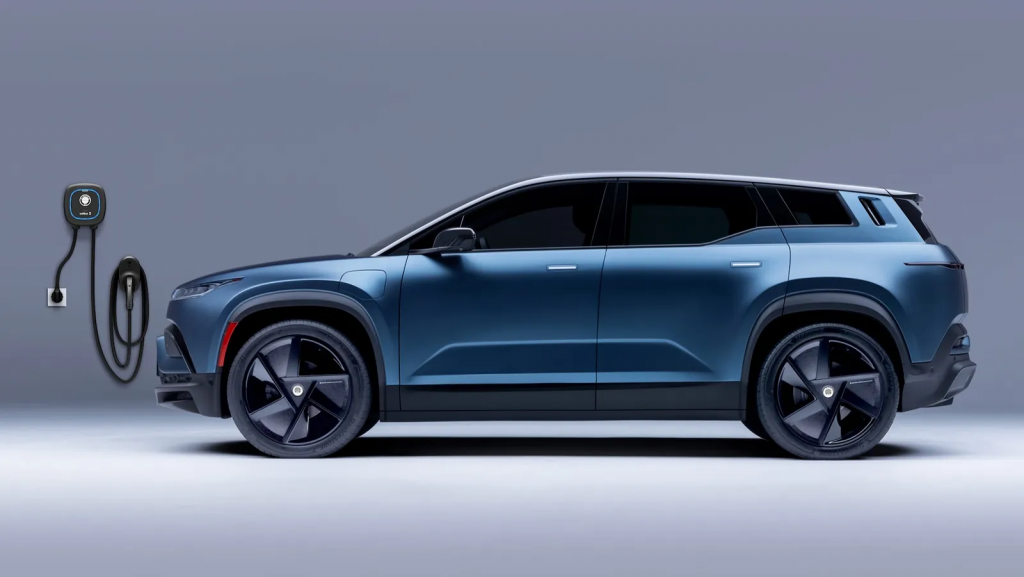
Taking the prize for one of the best-looking electric SUVs coming in 2023 is the Fisker Ocean. Eagle-eyed readers will notice the Ocean made our selection for last year, but it has clearly been delayed, so it seems churlish not to include the car again as our affection for this EV hasn’t dimmed in the waiting. The 17.1-inch display in the cabin has a Hollywood Mode that, when enabled, rotates the screen from portrait to landscape to make sure occupants are entertained with streaming movies while the battery is being filled to a range of up to 391 miles. Zero to 60 time is less than three seconds. And don’t forget the full-length SolarSky roof, which, when fully exposed to the sun, can supposedly give drivers up to 1,500 emissions-free miles per year. The bidirectional charger allows the battery to run your entire home for up to seven days, as well as give a boost to other EVs in need. Finally, California Mode sees at the push of a button all eight glass panels (including the “Doggie Windows”) open simultaneously to transform the SUV into a “convertible.”
Toyota Prius 2023
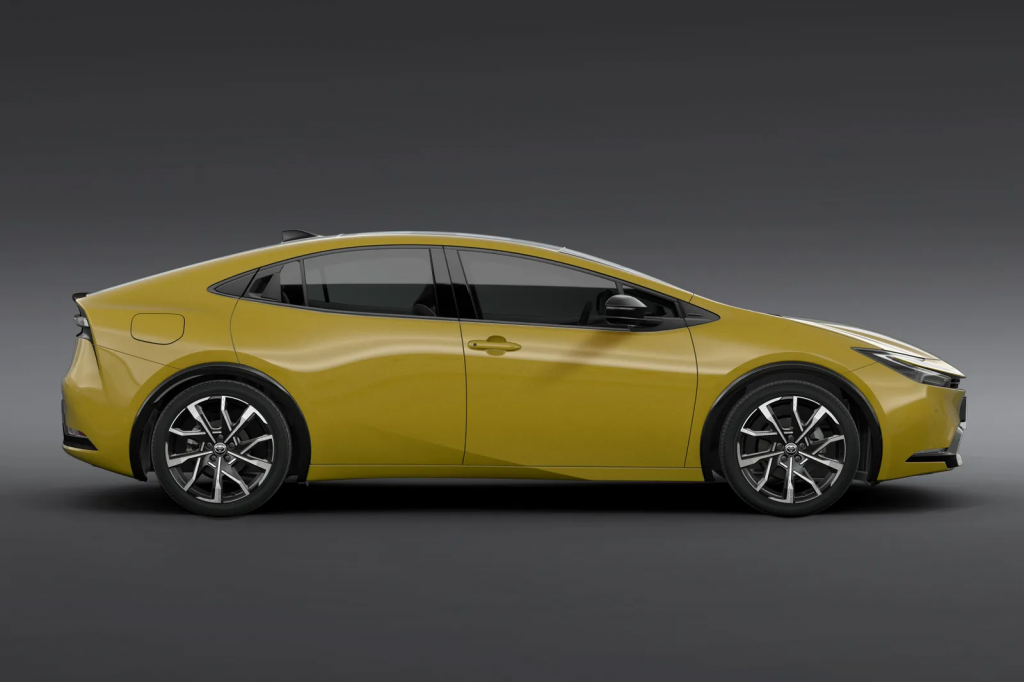
A sleek and shiny new Prius? One that looks pretty cool? The auto world almost blew a gasket at the news. While previous Priuses—Pri-i?—have long been seen as dowdy, and justifiably so with their nondescript shape and normcore vibe, this 2023 iteration looks positively sleek by comparison. We’ll hold back final judgment until we see it in person, though. This car may well be benefiting from easily improving on a design that was generally woeful. Rather than a full EV, it remains a combustion-electric hybrid. Toyota is claiming 57 mpg, which makes it the most fuel-efficient Prius yet, while solar panels are added for topping up the battery while the car is stationary. Other new features include a hands-free driving mode.